
Description
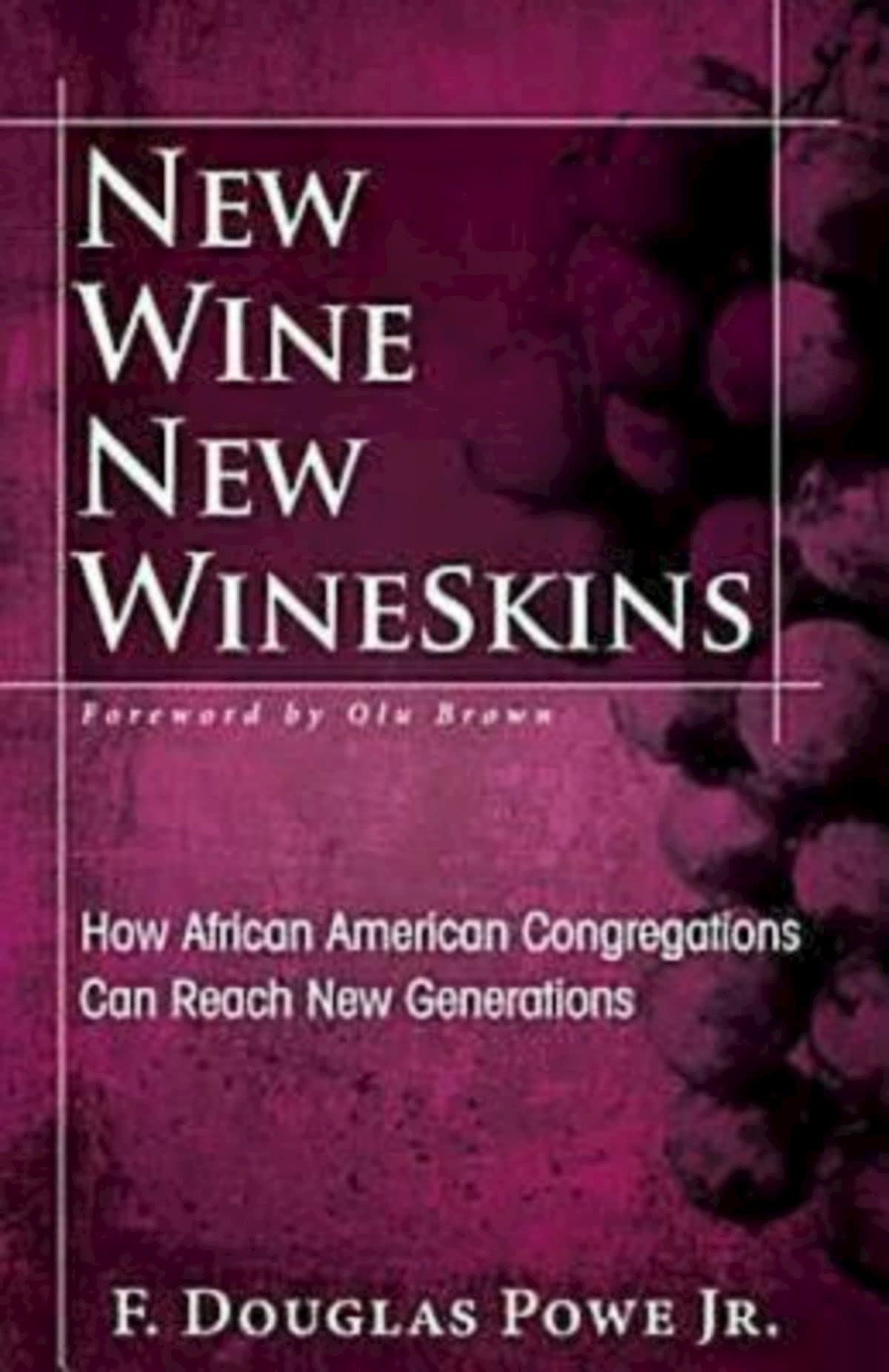
God wants to do a new thing in the African American Church. Author, Douglas Powe suggests that the African American church, while once the bedrock of the community, is no longer on the radar for many. During the Civil Rights movement African American churches initiated and even shaped transformation for an entire country, well beyond their own walls. In this post-Civil Rights era the power of many African American churches remains mired in the assumptions and practices of the past, thereby making them invisible to their surrounding communities. New Wine, New Wineskins helps African American congregations understand and benefit from the cultural shifts we are now experiencing. Many African American churches once thought they were immune to the cultural shock waves in our streets and neighborhoods. They simple argued that they have always been all about participation and being relational; yet like many churches, their numbers continue to decline. African American churches must find a way to reclaim their missional orientation, while at the same time remaining true to their historical identity and witness of speaking truth to power. The worthy goals of justice and bringing the Good News of Jesus Christ in this time, requires new practices and fresh ideas―new wine. The old framework just won’t work any more. We need new wine skins. Remain grounded in the faith while staying attuned to cultural change. F. Douglas Powe, Jr. is an ordained elder in the Baltimore/Washington Annual Conference of The United Methodist Church. He is the Director of the Lewis Center for Church Leadership and professor of evangelism and of urban ministry at Wesley Theological Seminary. Powe is committed to helping urban congregations and congregations in transitional areas to flourish through community partnering. His research interest are church revitalization, urban theology and Methodist theology. He holds an MDiv from Candler School of Theology and a PhD in systematic theology from Emory University. New Wine New Wineskins How African American Congregations Can Reach New Generations By F. Douglas Powe Jr. Abingdon Press Copyright © 2012 Abingdon Press All rights reserved. ISBN: 978-1-4267-4222-4 Contents Foreword, Introduction, Chapter One—Shifting Culture, Chapter Two—Old Wineskins, Chapter Three—New Wineskins, Chapter Four—New Wine, Chapter Five—A Better Wineskin, Conclusion, Notes, Study Guide, CHAPTER 1 SHIFTING CULTURE It was youth Sunday! Mother Brown was frowning because only five youth showed up to participate. She heard the Sunday school teacher going over their lines for the program that would start in five minutes. Mother Brown stopped Sister Carmen and asked, "Where is your daughter's family?" Sister Carmen replied, "She did not want to come. Talking nonsense that our youth program has not changed since she was a child." Sister Carmen walked away shaking her head. Mother Brown watched her go toward the kitchen, but the words stuck in her head, "the youth program has not changed!" Mother Brown had been at the church forty years and the truth was the youth program had not changed. She didn't see why it needed to change. Mother Brown shook her head and said softly, "I just don't get this new generation!" How many times have you heard or said, "I just do not get this new generation!" What is going on in the African American culture that is so different from ten, twenty, or forty years ago? There are several possibilities for approaching the shifting culture in the African American community. My approach is rethinking some of the generational categories developed by Strauss and Howe in Generations . They develop eighteen generational categories in their book, but my focus is on four of their categories (Silent, Boomer, 13er, and Millennial). Strauss and Howe use a cross-section of the United States to highlight trends and characteristics of generations. What is lost in this approach is some of the subtlety related to particular trends in the African American community. This is especially true concerning the importance of personal and communal faith for African Americans. It is important to understand the cultural shifts within the African American community, because it will give us new insights into how congregations have to think differently about the African American church and evangelism, and it points out some important differences between those active during the Civil Rights era and post–civil rights generations. Understanding these differences aids us in developing a new vision that will alter the way we think and do evangelism. Let me begin with a quick summary of Strauss and Howe's development of the four generational categories (Silent, Boomer, 13er, and Millennial) and their importance for American culture. Second, I will re-define these categories to address the generational shifts within the African American community. Last, I will offer some closing comments on what a
More Information
| Gtin | 09781426742224 |
| Mpn | 502223 |
| Age_group | ADULT |
| Condition | NEW |
| Gender | UNISEX |
| Product_category | Gl_book |
| Google_product_category | Media > Books |
| Product_type | Books > Subjects > Religion & Spirituality > Christian Books & Bibles > Churches & Church Leadership > Church Growth |