
Description
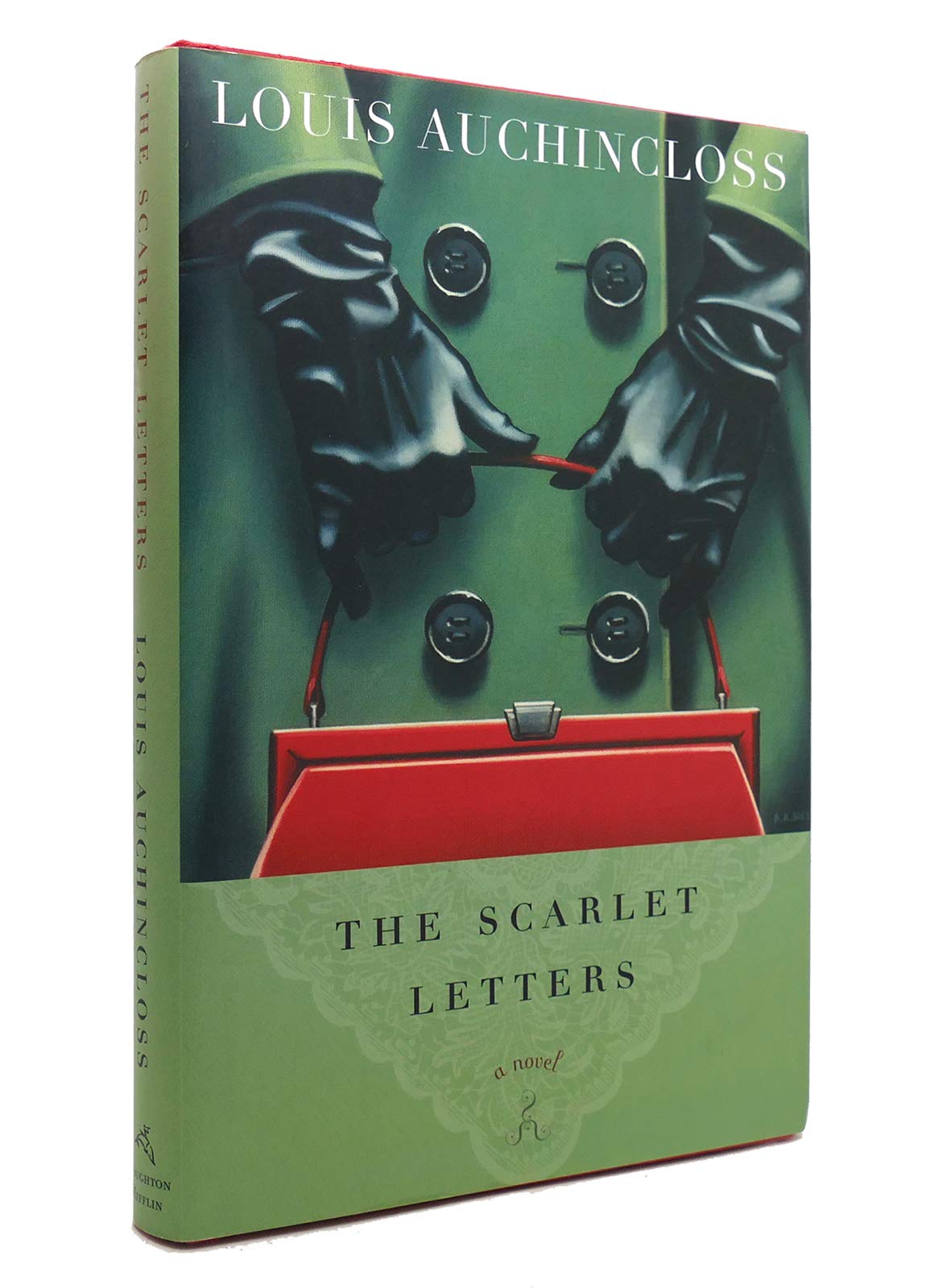
The year is 1953, and the coastal village of Glenville, on the opulent north shore of Long Island, is shaken by scandal. Ambrose Vollard, the managing partner of a prestigious Wall Street law firm, gets word of an alleged affair in his family. Most astonishing, the adulterer is Rodman Jessup, Vollard's son-in-law, junior partner, and most likely successor. Until now Jessup has been admired for his impeccable morals and high ideals, so what could explain his affair with a woman of fading charms? All is on the line for Jessup, who threatens to upset Glenville's carefully calibrated social order. As each family member learns of the affair, the story reveals layer upon layer of abiding loyalties and shameless double-crossing. Ambrose Vollard has a successful career as managing partner of a distinguished Wall Street law firm and a useful marriage to the practical daughter of an old Boston family. The only thing lacking is a son, until his favorite daughter, Vinnie, marries Rod Jessup. But adultery destroys Vinnie's marriage, and change in the form of both her husbands--the honorable Rod and the less honorable Harry--undermines the old ways at Vollard Kaye. There is a sameness to Auchincloss' elegant tales of the Manhattan brownstone set, especially true in this novel, which is a reworking and expansion of a clever story in his 2002 collection, Manhattan Monologues . Some of the names have been changed; Ambrose was previously called Arnold Dillard. Some passages have been transplanted from the story word for word. But Auchincloss now provides more backstory, especially about Arnold--Ambrose, rather, and also takes his tale further into the future. In giving himself more scope to flesh out characters and examine shifting mores, Auchincloss sacrifices some of the story's original punch, but his many loyal readers probably won't mind. Mary Ellen Quinn Copyright © American Library Association. All rights reserved Louis Auchincloss was honored in the year 2000 as a "Living Landmark" by the New York Landmarks Conservancy. He has written more than sixty books, including the story collection Manhattan Monologues and the novel The Rector of Justin. The president of the Academy of Arts and Letters, he resides in New York City. 1 It was commonly said, in the early 1900s, in the large and not undistinguished Manhattan social circle of the Vollard clan, of Ambrose, then a lad of twelve or thirteen, that he seemed the all-American boy: comely, tousle-haired, blue-eyed, grinning, the prototype of a youth out of Mark Twain or even Horatio Alger. But only a few years later he had grown into something quite different: a large, rather hulking type, almost menacingly muscular, whose good looks were darkened by an air of surly moodiness not quite redeemed by his brooding, now blue-gray eyes. If there were, or at least had been, two Ambroses, it might have been because there seemed to be two Vollard families in which the boy had been reared. There was what might be called the older branch: Papa, Mama, son Russell, nicknamed "Stuffy" by his school pals, and daughter Elsie, known with unblushing sentimentality in the home as "Rosebud." And then there were the two younger children, the twins, Ambrose and fat little Bertha. Why did that make two families? The answer, as in so many American social problems, must be sought in Mama. When Fanny Vollard had found herself the mother of two fine infants, the required son and the desired daughter, she supposed that she had fulfilled her generative duties and could present a completed family to the proper ranks of her excellently proper relatives. But whether it was a too importunate husband — or one who lacked the discretion of Onan — she made the unwelcome discovery that she was again pregnant, and most uncomfortably so with twins, and was obliged to undergo a delivery that was not only excruciatingly painful but that almost cost her her life. Thereafter the partition that divided the two families was like the closed door of Fanny"s bed chamber — shut, that is, to Papa, consigned to a back room of their Manhattan brownstone overlooking the bare yards, while his wife continued to occupy her comfortable and commodious apartment in the front of the house whose three large windows faced the street. Taking up the Vollards in reverse order of their importance, Elias, Papa, was the first. He was a large, expensively clad gentleman with a big potbelly and features that might have been well enough in younger, leaner days, but which now bore the blankness of one who sought relief from real things in perfunctory tasks and compulsive habits. He looked the part of a sober and prosperous man of affairs, and indeed he sat on some important boards where his fixity of apparent attention concealed his daydreaming, but his ineptitude as an investor had reduced his wife"s inherited capital far more than she knew, and he maintained only with difficulty their brownstone in
More Information
| Gtin | 09780618341597 |
| Age_group | ADULT |
| Condition | NEW |
| Gender | UNISEX |
| Product_category | Gl_book |
| Google_product_category | Media > Books |
| Product_type | Books > Subjects > Literature & Fiction > Literary |