
AI in Learning & Development: What Drives the Performance?
AI in learning and development is changing how people learn at work and how companies build skills over time. It helps teams move faster, learn better, and adapt without waiting for long training cycles.
This blog will help you understand the latest AI learning and development trends and how AI is changing corporate training.
Must Read: How AI Tools are Becoming Powerful Through AI Integration?
Reality Behind Learning and Development Trends
Workplace learning is not what it used to be. It has moved away from long sessions and heavy content that people forget after a few days. The new learning and development trends show something very different. Learning is becoming shorter, more focused, and tied closely to daily tasks.
Employees no longer want to sit through hours of training that feels disconnected from their work. They want answers when they need them. Right in the middle of a task. That shift has forced organizations to rethink everything, from how they design training to how they measure success. And here is where things get interesting.
Many organizations are adding new tools and systems, hoping that more content will solve the problem. But it does not. More content often creates more confusion. People scroll, click, and move on without real understanding.
AI in Corporate Training: More Than Speed and Scale
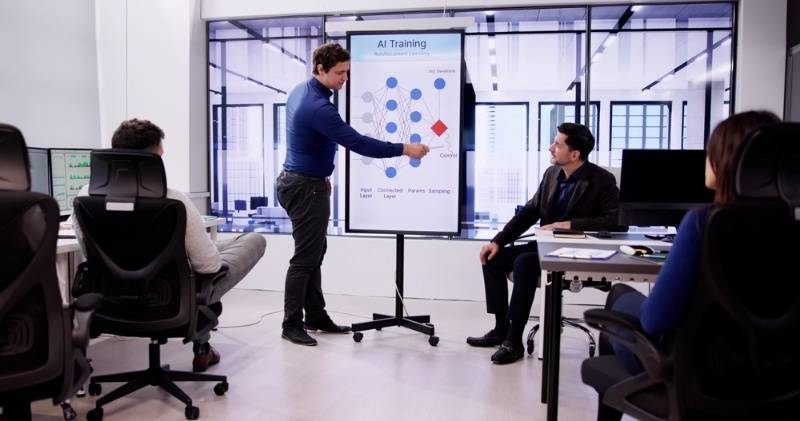
You can check below to understand the effects of AI in corporate training:
Timing
It can deliver learning at the right moment. That is powerful. But it still needs direction. Someone has to decide what matters and what does not.
Personalization
Every employee is different. They work at different paces, with different goals, and face different challenges. A fixed training path no longer works.
Adjust Learning on Behavior
It learns from how people interact with content. Still, it needs human input to make sure the direction stays right.
How AI in Learning and Development Drives Performance?
Performance does not improve just because people complete training. It improves when learning fits into real work and actually helps in the moment. That is where AI starts to make a difference.
Learning Happens Inside the Work
Learning can also be embedded directly into daily tasks. This means that instead of having to step away from what they are doing to learn, employees are assisted while they are at work. This makes learning feel more natural and less forced.
Personal Paths Make Learning Feel Relevant
Sometimes, not everyone needs the same thing at the same time. Learning can be adjusted by what a person knows and what they struggle with. This keeps things personal and focused. When learning feels relevant, people are more engaged and more likely to remember.
Quick Feedback Builds Stronger Habits
Waiting for feedback makes everything take longer. Learning and feedback can happen immediately, showing what works and what doesn't. This helps employees improve what they are doing. It is not about making big changes. It is about making small improvements over time.
Top Pick: AI For Business Growth: Practical Wins For SMBs Today
Top Workplace Learning Strategies That Actually Work
The top workplace learning strategies that actually work are explained in the following list:
Start With Real Work Problems
Effective learning starts with recognizing areas of difficulty for employees in their daily work. Training based on real-life difficulties is more relevant and makes it easier for employees to learn and apply. It helps avoid unnecessary content and focuses on the most important aspects of learning.
Keep Learning Short and Focused
Long learning sessions can cause difficulties in remembering and using learned material. Short and precise learning content is more easily understood and used by employees. It helps them quickly understand and learn key concepts and apply them easily and effectively.
Make Learning Part of Daily Work
Learning content should not be separated from daily work. It is more effective when it is integrated into daily work. It helps employees learn and use it more easily and naturally.
Easy Access to Learning Content
Employees must be able to access learning content easily. It is important to make it as simple as possible for employees to access learning content. If it is easily available, they will be able to use it more effectively.
AI for Employee Training: Where It Helps and Where It Doesn't
AI for employee training brings clear benefits. It can recommend content, track progress, and adjust learning paths. It saves time. It reduces manual work. It makes systems easier to manage. But there is another side to it.
Too much automation can create distance. Learning becomes something that just happens in the background. People follow prompts without thinking deeply about what they are learning. This is where balance becomes important.
AI works best when it supports learning, not replaces thinking. It should guide, not control. Employees still need space to reflect, to try, and sometimes to fail.
One strong advantage is timing. AI can deliver learning exactly when it is needed. That moment matters. Learning at the right time sticks better than learning in advance.
Another advantage is engagement. When content feels relevant, people are more likely to stay involved. They do not feel like they are wasting time.
Key Drivers of Employee Performance Improvement
Improving performance is not about adding more training. It is about making learning useful and easy to apply. These factors play a major role in employee performance improvement.
Clear Direction Makes Effort Meaningful
Employees need to understand what they are working toward. When goals are clear, learning becomes focused. People know why they are learning something and how it connects to their role. This clarity improves both effort and results.
Practice Turns Learning Into Skill
Reading or watching is not enough. Employees need to apply what they learn. Real situations, real challenges. That is where learning becomes skill. Without practice, knowledge stays unused.
Support Keeps Progress Moving
Learning is not a one-time event. It needs support over time. This can come from managers, systems, or even peers. When support is available, employees keep improving instead of stopping after the first step.
Conclusion
AI brings speed and flexibility, but performance depends on how learning fits into real work. When learning stays simple, relevant, and timely, it creates lasting impact. A balanced approach that combines technology with human understanding helps organizations build skills that truly matter in everyday work situations.
Frequently Asked Questions
1. What is AI in learning and development?
It is the use of intelligent systems to improve how learning is delivered, personalized, and connected to real work tasks.
2. How does AI support corporate training?
It helps create content quickly, personalize learning paths, and provide instant feedback to improve training outcomes.
3. Why are workplace learning strategies important?
They ensure learning is useful, easy to apply, and aligned with actual work challenges.
Categories
- Arts & Entertainment 100
- Automotive 186
- Business & Professional Services 219
- Construction & Contractors 298
- Clothing & Accessories 76
- Community & Government 95
- Computers & Electronics 74
- Education 75
- Food & Dining 86
- Health & Medicine 186
- Legal & Financial 100
- Home & Garden 179
- Industry & Agriculture 105
- Media & Communications 44
- Personal Care & Services 73
- Real Estate 68
- Shopping 74
- Sports & Recreation 87
- Travel & Transportation 102
- Animals & Pets 11
- Arts 9
- Community 9
- Chain 607
- Computers & Internet 8
- Health Care 10
- Communication & Media 7
- Shopping & Retail 10
- Health & Beauty 9
- Education & Schools 8
- Financial & Legal Services 14
- Home & Office 13
- Lawyers & Legal Services 7
- Financial & Services 1