
What Is A Good Credit Score And Why It Matters In Real Life
Credit scores get talked about like they're a secret club. People toss around numbers, act stressed, and nobody explains it in plain English. So let's do that.
A credit score is basically a shortcut. It helps lenders guess how risky it is to lend money to someone. Not how "good" they are as a person. Just risk. Boring, but important.
And here's the part most people want to know right away: what number counts as a win.
Good Credit Score Basics: What "Good" Usually Means
A good credit score is typically the point where lenders stop squinting at an application and start offering decent terms. Not the best possible terms, but solid ones. The "you're probably fine" zone.
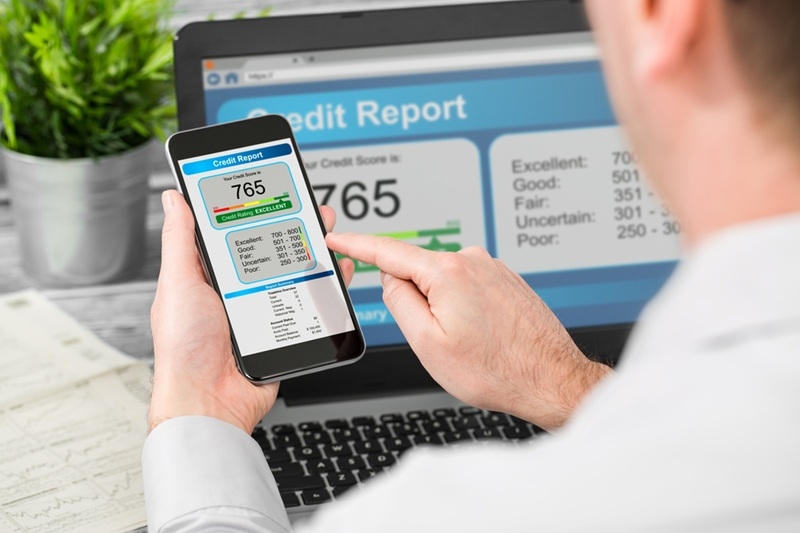
Different scoring models exist, and lenders don't all use the exact same one. But most scores fall into a similar credit score range that runs from low to high, with "good" sitting comfortably above the middle.
A simple way to think about it:
- Low scores often mean higher interest rates or more rejections
- Mid scores mean approvals can happen, but pricing may sting
- High scores usually unlock better rates and easier approvals
People don't need perfection. They need consistency.
What Is A Good Credit Score Depends On The Goal
Here's the sneaky truth. what is a good credit score changes depending on what someone is trying to do.
Applying for a basic credit card might require less than applying for a large loan. Renting an apartment might be different from buying a car. And lenders sometimes set their own internal "cutoffs," which can vary.
So yes, a number can be "good" in general and still feel "not good enough" for a specific lender. Annoying. But normal.
Credit Score Range: The Big Picture
Most consumers hear about scores as a single number, but that number only makes sense when placed on the credit score range scale.
In general, the range moves like this:
- Lower end: lenders may see higher risk
- Middle: lenders may approve, but with conditions
- Upper end: lenders may compete for the borrower
That's why two people can both be "approved," but one gets a better rate and the other gets stuck with higher costs.
This is where it starts to matter in daily life. A slightly better score can mean saving real money over time.
The Average Credit Score And Why It Can Be Misleading
People love comparing themselves to averages. It feels comforting. Or depressing. Sometimes both.
The average credit score is useful for context, but it's not the best target. Why? Because average doesn't equal affordable.
Someone can be near the average and still get high interest rates, especially if they have a thin credit history or recent negative marks. Also, averages shift over time and vary by age group, region, and other factors.
A better question than "Am I average?" is:
Can this score get the rate and approval I want
That's the real scoreboard.
What Actually Builds A Score In The First Place
Credit scores aren't magic. They're patterns. They look at how someone uses credit over time.
Most scoring models generally care about things like:
- Payment history, paying on time matters a lot
- Credit utilization, how much of the limit gets used
- Length of credit history, older accounts help
- Credit mix, cards plus loans can help in some cases
- New credit, too many recent applications can hurt temporarily
And yes, people can do "everything right" for a month and not see huge movement. Credit is slow. Like a stubborn plant.
The Common Myths That Keep People Stuck
Credit score myths spread fast. Here are a few that cause real damage:
Myth: Carrying a balance improves credit
Reality: Paying interest is not required to build credit
Myth: Checking your own score lowers it
Reality: Self-checks usually don't hurt
Myth: Closing old cards always helps
Reality: It can hurt by shortening credit age or raising utilization
So many people lose points because they're following advice from a friend of a friend who "heard something once."
Check Out: Business Dashboards Explained: Metrics, Tools, Use Cases
Improve Credit Score: The Moves That Usually Work
To improve credit score, the best strategy is boring consistency, not dramatic hacks.
Some practical moves:
- Pay on time, even if it's the minimum
- Keep utilization low, especially before statements close
- Fix errors on the credit report if any show up
- Avoid opening multiple accounts too quickly
- Keep older accounts open if they have no annual fee and are manageable
Also, if someone is rebuilding credit, one missed payment can do more damage than people expect. Autopay can be a lifesaver.
Another underrated move is setting reminders. Old-school, but it works.
The Mortgage Factor: Why Lenders Get Extra Serious
A mortgage is a long commitment and a big amount of money. So lenders tend to be stricter.
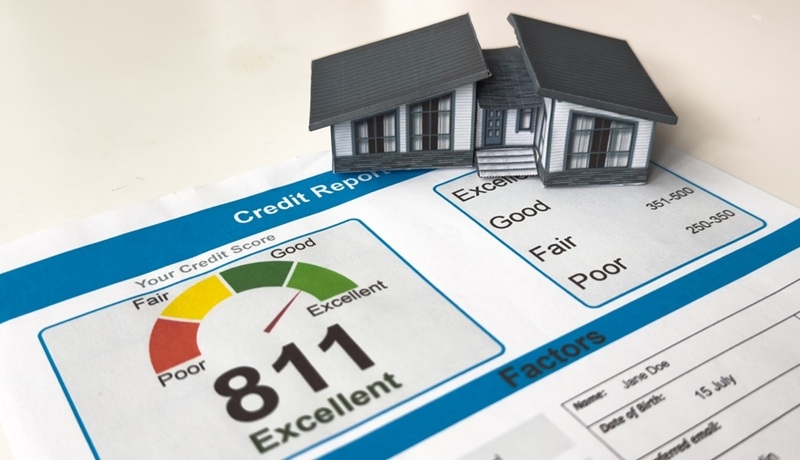
That's why people often ask about credit score for mortgage approvals specifically. A score that works fine for a credit card may not get the best mortgage rate.
Mortgage lenders also look beyond the score:
- Debt-to-income ratio
- Income stability
- Down payment size
- Employment and financial history
So the score matters, but it is not the whole story. Still, better credit usually equals better interest rates, and that can change a monthly payment by a lot.
How To Think About "Good" Without Obsessing
A healthy approach is to treat credit like a fitness routine. Not a crash diet.
The goal isn't to refresh the score daily. It's to build habits that naturally lift it:
- Pay bills on time
- Borrow only what can be repaid
- Use credit like a tool, not a lifestyle
If someone does that, the good credit score zone becomes more reachable over time. Not overnight. But steadily.
What To Do If The Score Drops Suddenly
A sudden drop can feel scary. And sometimes it's nothing dramatic.
Common reasons:
- A balance spiked due to a large purchase
- A new account lowered average age
- A late payment posted
- A credit limit decreased
- A reporting error appeared
The first step is checking the credit report and identifying the cause. Then responding calmly. Panic applications and extra credit checks often make things worse.
Read More: How to Improve Credit Score: A Detailed Step-by-Step Guide
Conclusion: Putting It All Together
So, what is a good credit score really about? It's about options.
- A better score usually means:
- Lower interest rates
- Higher approval odds
- Better terms on loans and cards
- More flexibility when life gets expensive
And since life does get expensive, having those options is worth the effort.
FAQs
How Often Should Someone Check Their Credit Score
Once a month is enough for most people. It helps catch errors early without turning it into a daily stress habit.
How Long Does It Take To Improve A Credit Score
It depends on what caused the low score. Small improvements can show in a few months, while rebuilding after major issues can take longer. Consistency matters.
What Matters More For A Mortgage: Credit Score Or Income
Both matter. A strong credit score for mortgage applications can help secure better rates, but lenders also look closely at income, debt, and stability.
Categories
- Arts & Entertainment 100
- Automotive 186
- Business & Professional Services 219
- Construction & Contractors 298
- Clothing & Accessories 76
- Community & Government 95
- Computers & Electronics 74
- Education 75
- Food & Dining 86
- Health & Medicine 186
- Legal & Financial 100
- Home & Garden 179
- Industry & Agriculture 105
- Media & Communications 44
- Personal Care & Services 73
- Real Estate 68
- Shopping 74
- Sports & Recreation 87
- Travel & Transportation 102
- Animals & Pets 11
- Arts 9
- Community 9
- Chain 607
- Computers & Internet 8
- Health Care 10
- Communication & Media 7
- Shopping & Retail 10
- Health & Beauty 9
- Education & Schools 8
- Financial & Legal Services 14
- Home & Office 13
- Lawyers & Legal Services 7
- Financial & Services 1